
Artificial intelligence does not change the law. It changes how quickly people make decisions that already carry legal weight.
Most of the legal rules that govern contracts, ownership, and hiring existed long before AI entered the conversation. What AI changes is friction. Tasks that once required a pause now happen instantly. Drafts become final. Assumptions harden into obligations. Judgment gets outsourced before anyone stops to ask what was actually decided. That speed feels like progress. In reality, it makes businesses more fragile.
I see this most clearly when founders start using AI inside an operating business, not as an experiment, but as infrastructure. The tool works. The output looks polished. The confidence rises. The scrutiny drops. That combination is where legal risk quietly forms.
Contracts Are the First Place Things Break
Contracts are usually the first area where AI shows up in a business. Drafting takes time. Reviewing is tedious. AI promises relief from both. What gets lost is the role contracts play beyond words on a page. A contract is not just a document. It is a decision to bind the business to a future set of facts that no one fully controls. When AI accelerates drafting, it also accelerates commitment. Founders read faster. They trust sooner. They sign earlier.
The risk is not that AI writes bad contracts. Many AI-generated drafts look reasonable. The risk is that people stop interrogating them. Subtle shifts in risk allocation, indemnity language, termination rights, and remedies go unnoticed because the process feels routine. AI does not reduce legal risk in contracts. It reduces hesitation. That difference matters. When disputes arise, no one asks how fast the contract was created. They ask what it says and who agreed to it. Speed does not soften enforcement. It only shortens the distance between draft and obligation.
Ownership Gets Unclear Faster Than Anyone Expects
Ownership problems rarely surface during daily operations. They show up during financing, acquisitions, licensing, or disputes. By then, it is often too late to fix assumptions that were never documented.
AI complicates ownership because it blurs authorship at the moment of creation, when it feels easiest. Businesses now generate marketing content, internal materials, software code, and strategic documents using AI tools. The output feels like work product. The instinct is to treat it as owned. That instinct is not always correct.
Ownership depends on how the work was created, what tools were used, what agreements govern their use, and how the resulting material is incorporated into the business. AI muddies each of those points. When no one pauses to ask who owns what, businesses accumulate assets they may not fully control.
This becomes a valuation problem before it becomes a legal one. If a company cannot clearly explain ownership of its core materials, investors discount it. Buyers hesitate. Licensing conversations stall. What looked like efficiency becomes uncertainty. AI does not eliminate ownership questions. It multiplies them while making them easier to ignore.
Read more: How AI Is Changing Copyright Law
Hiring Decisions Become Harder to Defend
Hiring is another place where AI feels neutral and efficient. Screening tools promise objectivity. Automated systems promise consistency. Decision-making feels cleaner when software is involved. That perception is misleading.
Hiring decisions still belong to the business. When AI influences who is screened out, who advances, or how candidates are evaluated, the company owns the outcome. If those decisions are later questioned, the business must explain not only what happened but also why. That explanation becomes harder when judgment is embedded in a system no one fully understands or documents properly.
Laws governing hiring are beginning to catch up to this reality, unevenly and aggressively. Some jurisdictions now require transparency, auditing, and documentation when automated tools are used. Others are close behind. Even where laws are still developing, the expectation of defensibility is already here.
AI does not shield businesses from scrutiny in hiring. It raises the standard for how decisions are justified.
Read more: AI in Hiring and Colorado’s New Law (SB205)
AI Is Not the Problem
The problem is not artificial intelligence. The problem is adopting it without slowing down long enough to understand what changes once it becomes part of the business. Tools do not replace responsibility. They rearrange it. AI makes contracts bind faster, ownership less noticeable, and hiring decisions harder to explain. None of that is fatal. It becomes dangerous only when businesses assume speed equals safety. That assumption has always been wrong. AI exposes it sooner.
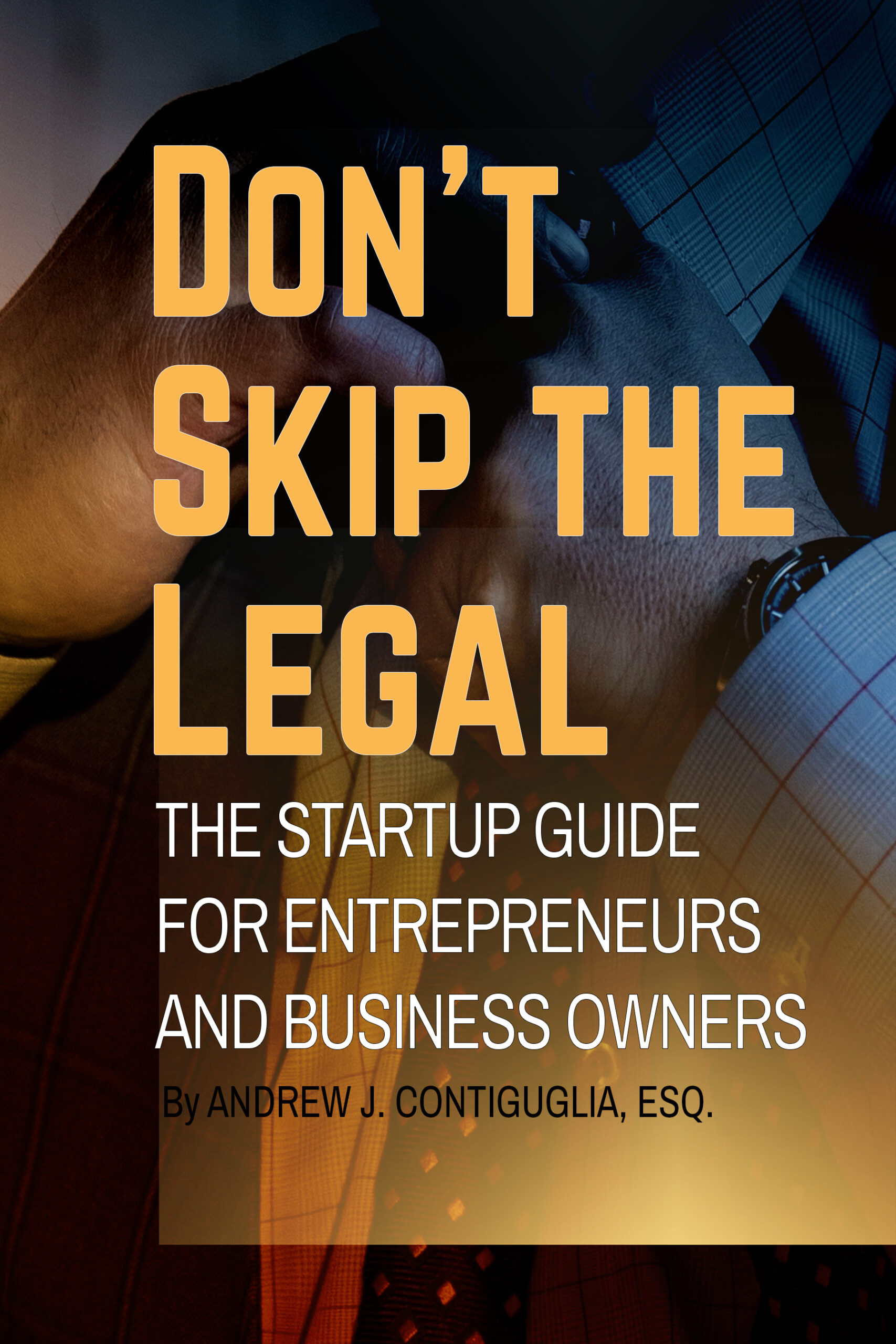
This is why AI belongs at the end of the conversation about business structure, not the beginning. If a business does not understand how contracts work, who owns its assets, or how hiring decisions are defended, AI magnifies those weaknesses. This is one of the issues explored more deeply in the 2026 edition of Don’t Skip the Legal. Not to slow businesses down, but to help owners recognize where speed quietly turns into exposure.
AI does not replace judgment. It tests whether you have ever had it.